Army Secretary Resignation Signals Shift in Leadership Dynamics

Leadership Changes Within the Army
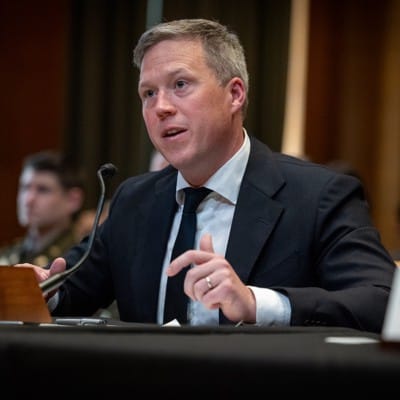
Dan Driscoll's resignation as Army Secretary has raised eyebrows in defense circles, particularly as it follows a series of purges initiated by Pete Hegseth, the sitting US Secretary of Defense. This shift occurs amidst ongoing discussions about the future direction of the Army's transformation efforts. Driscoll's departure highlights a significant change in leadership dynamics within the military establishment.
The context surrounding Driscoll’s resignation is rooted in a broader strategy to reshape Army leadership. Hegseth's focus on redefining military priorities through a transformation lens has evidently led to friction among leadership ranks. The dismissal of generals who were aligned with previous transformation strategies underscores the challenges faced by those advocating for change within the Army. As Hegseth continues to consolidate power and influence, it remains to be seen how this will affect the Army's operational readiness and strategic initiatives.
The implications of Driscoll's resignation are profound. This development could signal a shift in the Army’s approach to modernization and strategic planning, potentially impacting not only personnel dynamics but also the future of defense policy. Those within the Army and the broader defense community will be closely monitoring how Hegseth's leadership style influences the direction of military transformation and operational effectiveness.
Sources: Defenseone, The Atlantic, Federal News Network, The Guardian, and New York Post
Edited by Daniel Vazdar, Editor. How DEFCROS News reports, sources and corrects.