China's Reusable Space Launch Capability Challenges U.S. Space Access Dominance

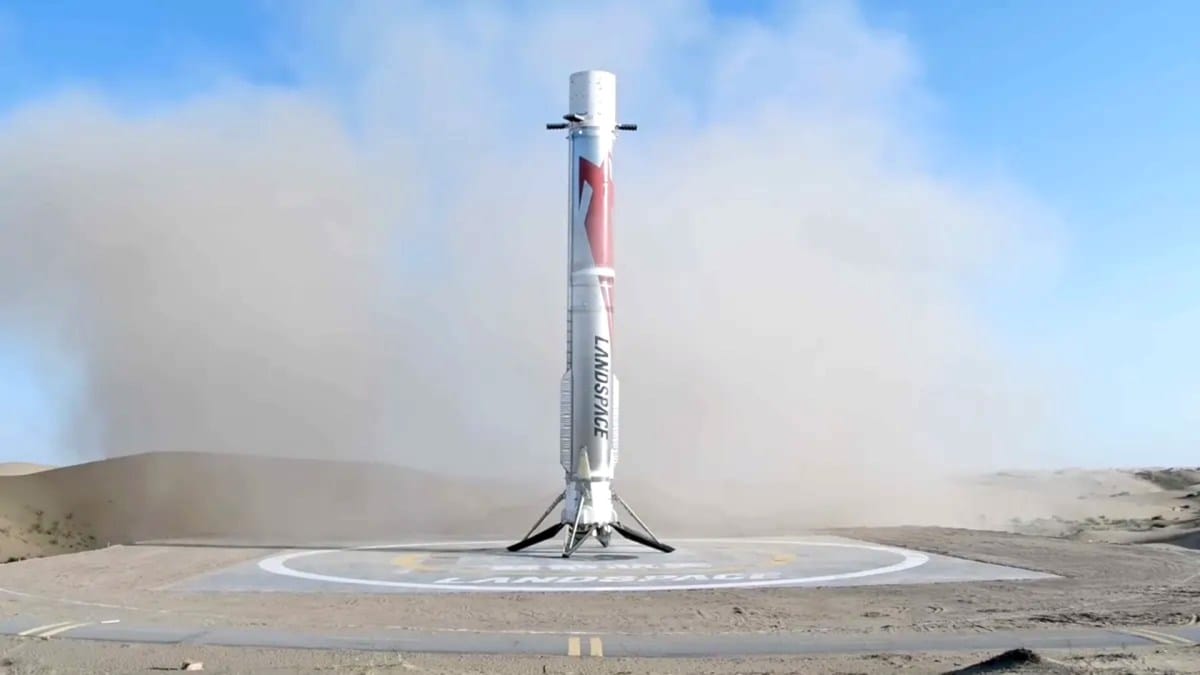
China's development of a reusable space launch capability, akin to SpaceX's Falcon 9, is poised to degrade a vital U.S. advantage in space access for national security and commercial applications. This emerging technology could impact the strategic landscape of space operations, as it enhances China's ability to deploy and replenish satellite capabilities more efficiently.
US Space Force and Japan's Collaborative Launch
In a bilateral initiative, the U.S. Space Force has successfully launched a Space Domain Awareness payload aboard Japan’s Quasi-Zenith Satellite 7. This collaboration aims to bolster space surveillance capabilities above the Indo-Pacific region, highlighting the importance of cooperative defense efforts in monitoring space activities.
Significance of Reusable Launch Systems
The introduction of reusable space launch systems by China could lead to:
- Reduced costs associated with satellite deployment and replenishment.
- Increased frequency of launches, enhancing operational readiness.
- Greater flexibility in responding to emerging threats in space.
These advancements may challenge the current dynamics of space dominance, necessitating a reevaluation of U.S. strategies in response to these developments.
The launch of the Space Domain Awareness payload represents a step towards improved surveillance capabilities, which are essential for understanding and responding to potential threats in an increasingly contested space environment. The collaboration between the U.S. Space Force and Japan is indicative of a broader trend towards regional partnerships aimed at enhancing security in space.
Sources: Twz, Defensenews, KeepTrack, Tech Times, Global Times, and Air & Space Forces Magazine
Edited by Daniel Vazdar, Editor. How DEFCROS News reports, sources and corrects.